Cabinet Refinishing

5 Signs Your Cabinets Need Refinishing

Cabinets are an important aspect of your kitchen’s functionality and aesthetic. However, they are prone to wear and tear over time, even with regular care.

cabinet refinishing

Scratches, dents, and fading can make your cabinets look dated. Refinishing your cabinets can breathe new life into your kitchen without the cost of a full replacement. Contact Cabinet Refinishing Sacramento for more details.

Damaged Surfaces

Surface damage from daily use is a quick way to tell that it’s time for cabinet refinishing. Scratches, dents, and dull surfaces can make your cabinets look shabby and unappealing. They also let grease, soap scum, and dust build up. Refinishing your cabinets gives you a clean, fresh look and protects the wood from further damage.

Many homeowners add accessories to their cabinets, such as lazy Susans or pull-out shelves, which improve convenience but can put extra pressure on the cabinets. Over time, this can cause the joints to weaken and crack. In addition, if the hinges are not properly installed, they can cause doors to sag or stick. Refinishing your cabinets can help you address these issues and keep them looking newer longer.

Paint and finish peeling or chipping is another clear sign that it’s time for refinishing. This type of damage exposes the raw wood to moisture and fluctuating temperatures, causing warping and swelling. The faster this is addressed, the more likely it is that your cabinets will be able to be restored.

Water damage is a particularly serious issue for cabinets, especially those under sinks or in kitchens. Leaky pipes, overflows, and clogged drains can soak into the wood over time and lead to swollen or discolored areas. Water exposure can also cause mold growth, so it’s important to keep an eye out for these symptoms.

Refinishing is a simple and effective way to restore your cabinets and breathe new life into your kitchen without the expense of a full replacement. Whether you’re just tired of the color, need to fix loose hinges, or want to update the hardware for a more modern look, working with a professional can solve both form and function in one go.

Loose Hinges

Cabinets take a lot of wear and tear in busy kitchens, which is why they’re often the first to show signs of age. While some homeowners think their only option is a full replacement, a few smart repairs and hinge upgrades can restore both style and functionality at a fraction of the cost.

One of the most common cabinet problems is loose or misaligned hinges. These issues can be caused by several factors, including over-tightening or simply the age of the hardware. Fortunately, loose cabinet hinges can often be fixed with simple tools and techniques.

Start by identifying the type of hinges you have. There are face-frame hinges (the kind most commonly found in cabinetry), frameless hinges, and concealed soft-close hinges, all of which can be adjusted slightly differently. Once you know which type of hinges you have, open your cabinet door and locate the two mounting screws on each side of the cabinet frame. Use a screwdriver to carefully tighten each screw, being careful not to over-tighten and strip the hole. Then, close the door and re-tighten to check the alignment.

If the problem persists, you may have a stripped screw hole. If this is the case, you can try using wood glue to fill the hole and make it more sturdy for the screw. Simply remove the hinge from the cabinet, keep it safe and secure, and then dip the ends of several toothpicks into wood glue. Insert the toothpicks into the stripped hole and allow them to dry completely before reattaching the hinge.

If you’ve tried a few adjustments but still find your cabinet doors are sagging or misaligned, it’s time to call a professional for help. Professional refinishing can address these issues and more to restore both appearance and function at a fraction of the cost of replacement.

Cracked or Sagging Doors

If sagging doors are putting an unnatural strain on the hinges, this puts them at risk of long-term damage and makes it harder to open and close. Sagging doors can be caused by loose hinge screws, changes in humidity, or uneven floors. Fixing these issues helps restore smooth movement and prevents damage to the door frame. Tightening the screws, replacing stripped or missing ones with longer screws, and shimming are easy DIY fixes that improve performance. If the problem persists, refinishing may be required to correct structural problems.

Cabinets are a central part of every kitchen and can make or break how the space feels to use. When cabinets no longer fit the needs of a growing family or changing cooking habits, it’s a sign that they are in need of a refresh. Refinishing can give them a clean new look that reflects current design trends and matches other kitchen elements for an attractive, coordinated aesthetic.

Sunlight, steam, grease, and daily use take a toll on painted surfaces. When cabinet paint starts to fade, it can create a grimy, outdated appearance. Refinishing restores the color to its original luster, and it also reseals the wood, protecting it from further damage.

Outdated Hardware

Cabinets see a lot of use, and that wear often leads to hardware problems. Hinges become loose, doors can sag, and handles may tarnish. These issues don’t just make the cabinets look drab and dated; they can also make it difficult to access and use your kitchen. Refinishing your cabinets is a great opportunity to replace the hardware with something more durable and attractive.

Outdated Styles

Over time, design trends change, and even the best-made cabinets can start to feel drab and outdated. If you’re tired of looking at your dark wood cabinets and wondering how they could be so much better, a quick sand and some fresh stain can make all the difference.

Water Damage

Cabinets are one of the most important pieces of furniture in any kitchen. They’re designed to store and display dishes, food, and clunky items that get touched frequently. However, they’re also exposed to a lot of moisture, which can cause swelling, warping, and mold growth. Water damage can be very serious and requires immediate attention, or it may lead to costly repairs or replacements. Refinishing your cabinets can help restore them to their original condition and protect them from future damage.

The most obvious signs of cabinet wear and tear are surface damage, loosened hinges, and sagging doors. These are all clear indications that it’s time for a refinishing job. It’s also a good idea to keep an eye out for any other issues that might be developing, like mold growth or fading color. The sooner you catch these problems, the easier it is to fix them and extend the life of your cabinets.

Water Damage

The cabinets in a kitchen get a lot of bumps and scrapes from daily wear and tear. They also get exposed to a lot of moisture, which isn’t good for wood or other materials. That’s why it’s important to inspect your cabinets regularly for water damage. This can be a big warning sign that it’s time to refinish, as the moisture in the wood can lead to structural problems that aren’t worth saving with just a simple coat of paint.

Natural wood and MDF kitchen cabinets tend to absorb moisture quickly, causing them to swell. This can cause the doors to become warped and difficult to open and close, and it can also cause discoloration. This kind of water damage on cabinets is often difficult to repair, and can mean that you will need to replace the entire cabinet.

Water damage to your cabinets can be caused by leaks, spills, and more. The best way to prevent this is to use dehumidifiers, clean up spills immediately, and inspect the cabinet surfaces on a regular basis. These steps will help to reduce the amount of moisture in your cabinets and ensure that they last longer. Taking these measures will also save you money in the long run, as you’ll be less likely to have to pay for costly cabinet replacement.
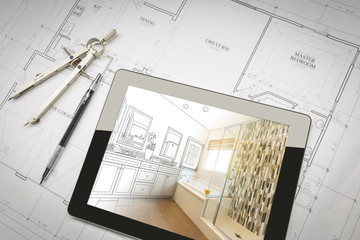
Bathroom Remodeling

Bathroom Remodeling and Space Optimization

Bathroom Remodeling

The way we design a bathroom isn’t just about aesthetics. It directly impacts our daily comfort and functionality.

With smart remodeling solutions and professional guidance, even the smallest bathrooms can be transformed into functional and stylish retreats. These Bathroom Remodel Lexington KY tips for space optimization demonstrate how to incorporate efficient layout planning, clever storage solutions, and compact fixtures to maximize usability.

Maximizing Space

Bathrooms are often one of the smallest rooms in homes, yet they are also one of the most frequently used. Whether you are planning a small bath remodel or wish to upgrade a master suite, optimizing space is essential to ensure the room functions efficiently and feels spacious and welcoming. This requires smart layout planning and innovative solutions to transform cramped spaces into beautiful, practical spaces.

To maximize space, it is important to think vertically rather than horizontally. Installing cabinets and shelving that reach the ceiling will free up floor space while allowing storage for towels, toiletries, and decorative objects. Ergonomic storage furniture will also keep items from spilling out and help reduce clutter.

Another strategy is to use open storage to eliminate visual barriers and create an airy atmosphere in the bathroom. Using glass shower walls and doors, continuous flooring, and strategically placed mirrors will enlarge the room visually, creating a bright and inviting space.

Lighting is another critical element to consider. Choosing dimmers and recessed lighting will allow you to control the mood and light level, while adding extra warmth and ambiance. Lighting is also an opportunity to incorporate decorative elements that complement the design scheme. This could include framed art or handcrafted pieces to add a personal touch.

Bathroom remodeling is an excellent time to update the décor, which will instantly enhance the look and feel of the space. This can be achieved through a variety of methods, from changing out fixtures to adding an accent wall.

A full bathroom remodel will also enable you to optimize the flow of traffic throughout the room and improve the overall comfort level. Through a combination of observation and questionnaires, a professional can identify repetitive actions, preferred pathways, and areas where improvements or reconfigurations are required.

Optimal Layout

Designing bathroom layouts that optimize movement and functionality is a key element of space optimization. The goal is to create a balanced, adaptable environment that supports everyday activities without feeling constrained or cluttered. To achieve this, designers consider a wide range of factors including floor plan layout, storage solutions, and layered lighting.

The most common bathroom layout mistakes stem from a lack of movement analysis. For example, door swing collisions are common in tight spaces, and many of these issues can be easily resolved by changing door type or confirming drawer openings won’t interfere with the arc of a door. Other mistakes include ignoring the difference between dry and wet zones, which often leads to water control issues. Unnecessary plumbing changes also increase project costs and can reduce usability.

A good layout also depends on choosing the right style of fixtures. For example, a corner shower gives back the middle of the room, making it easier to turn around or help a child wash up. For tight remodel footprints, galley-style baths are a smart choice because they allow the plumber to keep drains “in line,” which reduces costly moves during the renovation.

If the budget allows, a luxury addition can also boost your bathroom’s appeal and make it feel like an oasis. For example, swapping out the shower curtain and hand towels for a more elegant option can make a big impact on the room’s final look. You can also add lounge seating to create a relaxing sanctuary for bathing and getting ready in the morning, whether it’s built-in benches under bay windows or plush ottomans hidden under floating vanities.

Another budget-friendly way to add luxury is to upgrade the fixture finishes. For example, opting for a polished chrome or satin nickel finish instead of brass or bronze improves light reflectance and can make your bathroom look bigger. Similarly, replacing the faucets, showerhead, and towel racks with more modern options will instantly lift the overall look of your bathroom. In some cases, these upgrades may even help you qualify for a rebate or tax credit.

Intelligent Design

Whether you’re in need of smart bathroom solutions for a commercial facility or looking to optimize your own home, the possibilities are endless. Integrated automations can transform your bathroom into an oasis of relaxation, while also saving energy and money. From automated lighting and heated floors to smart bidets and medicine cabinets, these intelligent features provide both convenience and comfort.

Intelligent design is a creationist theory that holds that certain features of the universe and living things cannot be explained by evolution alone, and therefore require an intelligent cause. Proponents apply scientific methods to detect this design in irreducibly complex biological structures, the complex and specified information content of DNA, and the geologically rapid appearance of biological diversity in the fossil record during the Cambrian explosion 530 million years ago.

To support their arguments, intelligent design advocates sometimes invoke broader teleological principles, such as the fine-tuning of universal constants that make matter and life possible. These include the values of the strong nuclear forces, electromagnetism, and gravity between fundamental particles as well as the ratios of their masses. According to proponents, if any of these were even slightly different, it would be impossible for the universe and all life to exist.

ID leaders are attempting to broaden their wedge with a positive, alternative science that is consonant with Christian and theistic worldviews. Their strategy includes establishing at least two purportedly peer-reviewed journals for ID articles, although one of these has languished and the other has a more overtly philosophical orientation. The fact that these journals have not stood up to scholarly scrutiny underscores the gulf between ID and the established norms of science.

Despite its alleged rejection of materialism, intelligent design is a deeply flawed theory that fails to meet the standards of legitimate science. In particular, it violates Occam’s razor by adding an extraneous agent to account for a phenomenon when simpler explanations are available. Further, intelligent design cannot address the identity or origin of the designer, which is a religious question outside the scope of scientific inquiry. This stifles debate and prevents a serious exploration of the merits of the theory.

Eco-Friendly Solutions

The bathroom is one of the most energy-intensive rooms in the home. This means there are many opportunities to upgrade your space with eco-friendly solutions that reduce energy consumption and make the room more comfortable. Whether you choose water-saving fixtures, energy-efficient lighting, or renewable solar solutions, these changes contribute to a more sustainable home.

Another easy way to reduce your environmental impact is to use repurposed materials. Vintage sinks, reclaimed wood countertops, or refurbished cabinets bring character to your bathroom while minimizing waste. Choosing eco-conscious paints and finishes is also important for sustainable remodeling. Low-VOC options prevent harmful chemicals from releasing into the air and create a healthier environment for your family.

Natural ventilation is another crucial aspect of eco-friendly design that helps reduce mold, mildew, excess humidity, and increases the longevity of your bathroom materials. Installing operable windows or skylights maximizes daylight while reducing reliance on electric exhaust fans and energy usage. Consider a heat pump water heater, which is two to three times more energy efficient than traditional models.

Durable finishes like natural stone and bamboo floors are a good choice for sustainable flooring, as they require minimal maintenance and last for decades. Recycled tiles are a stylish option that reduces waste headed to landfills, and composite materials with post-consumer content provide additional aesthetics. Consider switching to low-flow faucets and showerheads to conserve water.

Recycled glass and concrete countertops are beautiful, durable, and add a touch of luxury to any bathroom. These alternatives to granite or marble countertops are made from recycled material and use less energy to manufacture. They are also more affordable than natural stone.

Many people choose to go green in their kitchens, but the bathroom is another place where sustainability and style go hand-in-hand. By making simple upgrades, you can transform your Arvada, Castle Rock, Colorado Springs, and Denver bathroom into a sustainable oasis that is both functional and beautiful.