Pest Control Stuart process involves thorough inspections, targeted treatments, and integrated pest management (IPM). Physical methods like burning nests or blocking entry points reduce the environmental impact of chemical pesticides.
Before the treatment, clearing clutter and storing items away from walls and floors makes it easier for technicians to inspect and treat areas effectively. It also helps prevent items from absorbing pesticide and contaminating your home.
Identifying the Pests
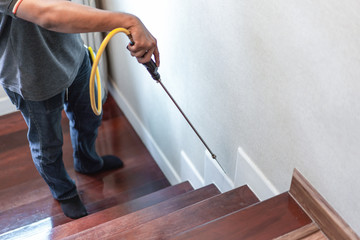
Correct identification is the first step in controlling pests. It is important to know what you are dealing with and how it gets into a home or business in order to find the right control method for that specific pest. Using proper identification techniques can prevent you from wasting time and money on ineffective tactics that may even harm people or the environment.
Whether it’s an insect, weed, rodent, bird or some other organism, pests can cause serious health and safety problems in homes and businesses. They can spread diseases by carrying bacteria, fungi and viruses. They can also increase the risk of asthma attacks or trigger allergies in susceptible individuals through their body parts, dander or feathers. The good news is that the vast majority of pests can be controlled without resorting to chemical pesticides. The key is to eliminate the conditions that make them thrive, which is why it is so important to remove any standing water near the structure; replace infested wood; seal cracks and crevices; and direct surface water away from the foundation.
There are four major types of pest control methods: physical, biological, chemical and integrated pest management (IPM). A well-trained pest professional will use the best combination of these methods to achieve long-term results. Regular inspections of the property and surroundings can help track pest populations and life cycle stages. Once a threshold is reached, the appropriate action can be taken, such as removing nests of wasps or releasing beneficial insects to control aphids.
IPM programs use monitoring and inspections to assess the effectiveness of non-chemical controls before proceeding to more rigorous control measures, such as the targeted spraying of pesticides. IPM also utilizes a variety of trap crops, including zinnia and marigold, to reduce the need for broad-spectrum chemical treatments. This approach is not only more environmentally responsible, but also builds customer trust over the longer term.
Developing a Treatment Plan
Developing and following a pest control plan is an essential part of integrated pest management (IPM). It guides preventative strategies like cleaning and sealing entry points to keep pests from re-entering. It also includes corrective actions like setting bait stations or applying insecticides to target specific pest populations. Use a pest inspection checklist to pinpoint problem areas and record results.
Before pest treatment, clean the targeted area to remove crumbs and other debris that will be covered by chemicals. Wait the recommended time before cleaning again to avoid wiping away the treatment.
Accurate pest identification allows you to choose the right pest control methods. This is especially important for treating cockroaches, bed bugs or termites. Using the right treatments for the appropriate pest types will ensure effective results.
Monitoring the Treatment
When pest control treatments are being carried out, the treatment must be monitored to ensure that it is being done properly. This step is especially important for structural pest management, where a professional can be most helpful in providing feedback about the efficacy of various treatments and in making recommendations about when it may be necessary to implement a different treatment or course of action.
The monitoring step is also a critical part of IPM, in which pest management decisions are made on the basis of reliable information about current and potential pest infestations. Pest managers must inspect the environment on a regular basis to determine pest activity, as well as record observations. Some people who work in a facility are also capable of conducting inspections and monitoring, and should be trained to communicate their findings to the pest manager.
Sampling techniques are another key component of pest monitoring and can be used to complement visual inspections. For example, when a landscape IPM pest such as spider mites threatens shrub health, an arborist may inspect the plants and sample them for mites using disclosing solution or other scouting methods. Similarly, when an agricultural crop has been affected by a pest, sampling may help to identify the pest and provide clues to its behavior and life cycle.
While a variety of pest control methods can be implemented, most pests are best controlled by preventive means, which are designed to deter them from entering an area in the first place. For example, in a home or commercial building, rodents can be prevented from entering through doors and windows by installing rodent-proofing measures. The same holds true for most crops, such as using barriers and repellents to keep birds away from fields or keeping livestock away from weeds.
Biological pest control is a method of controlling pests that relies on the natural enemies of the pest, such as predation, parasitism or herbivory. This type of pest control may be achieved through the intentional introduction of these organisms to a specific area or by augmenting the existing population of predators and parasitoids by breeding and releasing them in small batches or in one large release.